
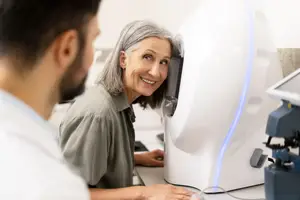
Women’s Month is a reminder that caring for your vision is part of caring for yourself. At Child and Family Eye Care, we support women at every stage of life with proactive, personalized eye care.
From reading bedtime stories to working long hours on digital screens, your eyes carry more responsibility than most people realize. Regular eye exams help protect that clarity and comfort for the future.
Why Women Face Unique Vision Risks
Hormones influence more than mood and metabolism. They also affect the surface of the eye, tear production, and even long-term eye health. Throughout a woman’s life, hormonal shifts during pregnancy, menopause, and even monthly cycles can change how the eyes feel and function.
Women also have a higher lifetime risk for certain eye conditions, including:
- Dry eye disease
- Cataracts
- Glaucoma
- Age-related macular degeneration
Autoimmune conditions, which occur more frequently in women, can also impact the eyes. These medical realities make consistent eye care especially important.
We evaluate the health of the retina, optic nerve, and tear film, and we screen for early signs of eye disease long before symptoms interfere with daily life.
Dry Eye Syndrome
Here in Texas, environmental factors add another layer. Heat, seasonal allergens, wind, and long hours in air-conditioned or heated spaces can intensify dry eye symptoms. Many women describe burning, fluctuating vision, or a gritty sensation that worsens by the end of the day..
Dry eye is common, especially among women over 40, but it is highly manageable. We offer advanced diagnostics and in-office therapies designed to improve comfort and protect long-term surface health. Small adjustments can lead to meaningful relief.
Pregnancy and Vision Changes
Pregnancy can temporarily change vision due to fluid retention and hormonal shifts. Some women notice blurred vision, light sensitivity, or increased dryness. In rare cases, pregnancy can also reveal underlying conditions such as gestational diabetes or blood pressure-related eye changes.
If you are pregnant or planning to become pregnant, share that information during your exam. We tailor care to support both your comfort and overall health.
Protecting Vision Through Every Decade
A woman’s 20s and 30s often revolve around career building, family planning, and constant motion. Vision may feel stable, which makes it easy to delay routine care. Yet these decades build the foundation for long-term eye health. Early detection of subtle changes allows for timely care.
In your 40s and 50s, you may begin to notice near vision blur, increased dryness, or light sensitivity. Presbyopia, a natural change in focusing ability, becomes more noticeable. At the same time, hormonal changes around perimenopause and menopause can increase dry eye symptoms.
Beyond 60, the focus shifts toward monitoring for cataracts, glaucoma, and macular changes. Clear vision supports independence, confidence behind the wheel, and an active lifestyle in the community.
At every age, routine comprehensive eye exams remain one of the most effective ways to protect your sight.
Book Your Next Eye Exam at Child and Family Eye Care
From pediatric eye care to menopause-related dry eye management and beyond, our eye care team provides thorough, compassionate support for the whole family.
If it has been more than a year since your last exam, this month is a good time to prioritize your vision. So, don’t hesitate to book an eye care appointment.