Allergies and Dry Eye Care at Child and Family Eye Care

If your eyes feel itchy, watery, gritty, or constantly irritated, you are not alone. In Texas, seasonal allergies and environmental triggers are common, and they often go hand in hand with dry eye disease. While these conditions can feel similar, they are not the same, and treating them correctly makes a big difference in long term comfort. 

At Child and Family Eye Care, our doctors take the time to identify the root cause of your symptoms. With three convenient locations in Texas, we offer comprehensive care for both eye allergies and dry eye syndrome using advanced technology, prescription options, and practical lifestyle guidance designed for real life. 

Young woman looking tired rubbing her eyes with her hand
A woman wearing a red beret and yellow coat blowing on a dandelion

Understanding Eye Allergies

Eye allergies, also called allergic conjunctivitis, occur when the eyes react to allergens like pollen, dust, mold, pet dander, or smoke. When allergens come into contact with the surface of the eye, the immune system releases histamines. This response leads to symptoms such as itching, redness, swelling, tearing, and burning. 

Many patients notice symptoms worsen during certain seasons, but indoor allergens can cause year-round irritation. Rubbing itchy eyes may feel relieving in the moment, but it can actually make inflammation worse and increase discomfort over time. 

What Is Dry Eye Syndrome?

Dry eye syndrome is a chronic condition that occurs when your eyes do not produce enough tears or when tears evaporate too quickly. Healthy tears are essential for keeping the surface of the eye smooth, clear, and protected. When the tear film becomes unstable, the eyes can feel dry, scratchy, or tired. 

Dry eye symptoms can include burning, stinging, blurred vision that improves with blinking, redness, light sensitivity, and the feeling that something is stuck in the eye. Many people are surprised to learn that watery eyes can also be a sign of dry eye, as the eyes may overproduce poor-quality tears in response to irritation. 

Close-up of a woman's face with blue eyes and light makeup, featuring detailed facial features against a white background.
A woman is standing on a pathway with her eyes closed and holding her face with both hands, perhaps sneezing

How Allergies and Dry Eye Are Connected

Allergies and dry eye often overlap and can worsen each other. Allergy-related inflammation can disrupt the tear film, leading to increased evaporation and dryness. At the same time, dry eye can make the eyes more sensitive to allergens, creating a cycle of irritation. 

Some allergy medications can also contribute to dryness by reducing tear production. This is why an accurate diagnosis is so important. Treating only allergies or only dry eye may leave symptoms unresolved if both conditions are present. 

Comprehensive Evaluations at Child and Family Eye Care

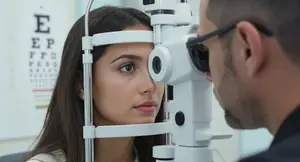
At Child and Family Eye Care, we start with a detailed evaluation to determine the true cause of your symptoms. Our eye doctors assess tear quality, eyelid health, inflammation, and the function of the oil-producing glands in the eyelids. We also discuss environmental factors, screen use, medications, and daily habits that may contribute to discomfort. 

By understanding the full picture, we can create a treatment plan that addresses both immediate relief and long-term eye health. 

A woman is having her eyes examined by a doctor using a medical instrument in a clinic
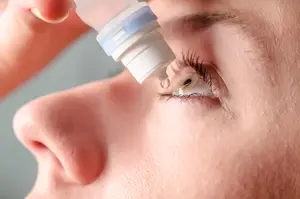
A woman is applying eye drops to her left eye.

Advanced Dry Eye Treatments We Offer

Child and Family Eye Care offers a range of modern dry eye treatments designed to restore tear balance and reduce inflammation. Your treatment plan may include one or more of the following options: 

  • LipiFlow thermal pulsation therapy to unclog blocked oil glands and improve tear stability 
  • Lumenis OptiLight IPL therapy to reduce inflammation, target abnormal blood vessels, and improve meibomian gland function 
  • OptiLift treatments to support eyelid health and tear film quality 
  • Prescription eye drops to manage inflammation, boost tear production, or control allergy-related symptoms 
  • At-home remedies and lifestyle guidance tailored to your daily routine and environment 

Each treatment plan is personalized based on your symptoms, test results, and comfort goals. 

Managing Eye Allergies Effectively

For patients with eye allergies, treatment may involve prescription or over-the-counter allergy eye drops, artificial tears, strategies to reduce allergen exposure, and guidance on safe symptom relief. Cold compresses, proper eyelid hygiene, and avoiding eye rubbing can all help reduce flare-ups. 

When allergies and dry eye occur together, our doctors focus on calming inflammation while protecting the tear film. This combined approach helps reduce symptoms more effectively than treating each issue in isolation. 

Lifestyle Guidance that Supports Eye Comfort  

Small changes can make a big difference in managing both allergies and dry eye. Our team provides practical advice you can actually use, including tips for screen breaks, blinking habits, indoor air quality, hydration, and eyelid care. These adjustments help support in-office treatments and improve long-term results. 

Portrait of a woman smiling at the camera in a green garden
A man is holding a young girl, and a woman is smiling and looking at them outside in the park

Care for the Whole Family

As a family-focused practice, Child and Family Eye Care treats patients of all ages. Children can experience eye allergies, especially during school seasons and outdoor activities, while adults may develop dry eye related to screen use, hormonal changes, or environmental exposure. Our doctors tailor care plans to each stage of life with comfort and safety in mind. 


Find Relief at Child and Family Eye Care

If itchy, dry, or irritated eyes are affecting your daily life, relief is possible. With three Texas locations, advanced dry eye technology, and a personalized approach to care, Child and Family Eye Care is here be your family's eye doctor in The Woodlands, Magnolia, and Shenandoah.  

Schedule an eye exam with one of our optometrists today to find out whether allergies, dry eye, or both are behind your symptoms and take the first step toward lasting comfort.