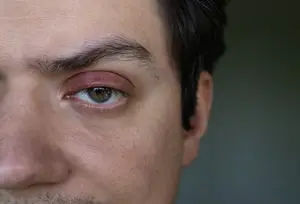
MGD is a chronic condition, but it is highly manageable with consistent care. Many patients experience noticeable improvement in comfort, vision clarity, and eye fatigue following treatment. Our goal is to stabilize gland function and reduce flare-ups, rather than relying solely on short-term symptom relief.
Ongoing care may include periodic in-office treatments and at-home maintenance. Regular follow-up visits allow our doctors to monitor gland health and adjust your treatment plan as needed to protect long-term eye comfort.
Lifestyle Factors That Affect MGD
Daily habits play a significant role in managing meibomian gland dysfunction. Reduced blinking during screen use, poor eyelid hygiene, dehydration, and environmental exposure can all worsen symptoms.
At Child and Family Eye Care, we provide practical guidance to help patients support treatment results. This may include blinking exercises, screen break recommendations, eyelid care routines, hydration tips, and strategies for managing indoor air quality.
These small adjustments often make a meaningful difference in long-term symptom control.