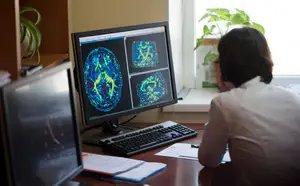
Neuro-optometric rehabilitation helps retrain the visual system after trauma, improving communication between your eyes and brain. We take these symptoms seriously, and we work with you to restore clarity, balance, and everyday visual comfort.
Neuro-Optometric Rehabilitation
What Is Neuro-Optometric Rehabilitation?
This type of therapy is designed for patients whose visual system has been disrupted by a neurological event. It’s not about improving how clearly you see on a chart. It’s about rebuilding how your eyes and brain work together during reading, movement, and focus.
Neuro-optometric rehabilitation helps address:
- Eye tracking and coordination issues
- Motion sensitivity or dizziness
- Difficulty focusing or shifting between distances
- Reading fatigue or comprehension problems
- Visual overstimulation in busy environments
- Balance and spatial awareness problems
Even when the eyes look “healthy,” these issues can persist and affect daily life.
Who Can Benefit from This Type of Care?
This type of therapy is designed for patients whose visual system has been disrupted by a neurological event. It’s not about improving how clearly you see on a chart. It’s about rebuilding how your eyes and brain work together during reading, movement, and focus.
Neuro-optometric rehabilitation helps address:
- Eye tracking and coordination issues
- Motion sensitivity or dizziness
- Difficulty focusing or shifting between distances
- Reading fatigue or comprehension problems
- Visual overstimulation in busy environments
- Balance and spatial awareness problems
Even when the eyes look “healthy,” these issues can persist and affect daily life.

How We Approach Rehabilitation at Meta Vision
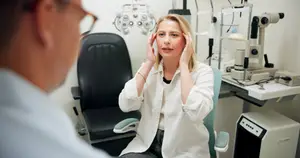
At our Magnolia-based Meta Vision clinic, neuro-optometric care is structured, calm, and personalized. Every patient begins with a detailed functional vision assessment, often supported by tools like RightEye® eye-tracking technology to help us map how your visual system is performing.
From there, we create a care plan that may include:
- Weekly or biweekly in-office therapy
- Guided home-based activities
- Visual-motor coordination exercises
- Tracking and focusing work
- Gradual exposure to complex visual tasks
Conditions We Treat with Neuro-Optometric Rehabilitation
Some of the conditions we treat include:
- Post-traumatic brain injury vision changes
- Dizziness and balance problems linked to visual input
- Headaches and migraines related to visual strain
- Common vestibular disorders
- Stroke-related visual challenges
- Difficulty with visual and spatial balance
- Vestibular dysfunction and motion sensitivity
- Double vision or difficulty coordinating the eyes
- Vision-related motion sickness
- Binocular visual dysfunction
- Photophobia (light sensitivity)
- Kaleidoscope vision or visual distortion